Nemetschek Allplan 2022.1.6 with AX3000 Plugins

Nemetschek Allplan 2022.1.6 with AX3000 Plugins
ALLPLAN, global provider of BIM solutions for the AEC industry, is pleased to announce the availability of Allplan 2022.1.6 is one of the most established applications in the AEC technology industry with powerful BIM capabilities supported by full-fledged CAD functionality, making it a strong contender to be the main software for AEC firms around
Read More

OpenFlows WaterCAD CONNECT Edition Update 4 (10.04.00.108)

OpenFlows WaterCAD CONNECT Edition Update 4 (10.04.00.108)
The Bentley Hydraulics and Hydrology product team are pleased to announce the availability of WaterCAD CONNECT Edition Update 4 (10.04.00.108). This update includes enhancements and new features to help you be more successful with your hydraulics and hydrology modeling projects.

What’s new in OpenFlows WaterCAD CONNECT Edition Update 4 (10.04.00.108)
Note: The original

Read More

What is Polyjacking in Construction?

🕑 Reading time: 1 minute

Polyjacking is a concrete lifting and leveling method that uses high-density geo-technical expanding foam to raise and stabilize concrete surfaces. A similar process with the same objective is the process of mudjacking, which uses mud instead of foam to lift the concrete surface to the desired level.

Polyjacking in Construction
Image Credit: Pier Magic

This

Read More

What are the Signs of Foundation Heave?

🕑 Reading time: 1 minute

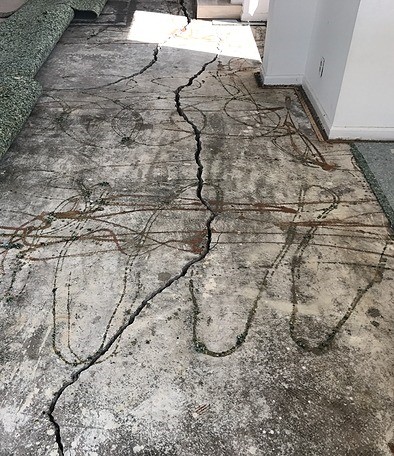
Foundation heave is the upward movement of the expansive soil layer after it is saturated with water. Controlling the signs and symptoms of foundation heave at an early stage is important to prevent further enlargement of heave pressure and avoid serious damage to the foundation and superstructure.

Common signs of foundation heave are cracked and

Read More

How to Identify Concrete Distress in Visual Inspection

🕑 Reading time: 1 minute

Distress of concrete refers to the deterioration and decomposition of concrete caused by environmental conditions, autogenous internal influences, and exposure to operation services and testing.

Concrete may suffer from several types of distresses, such as delamination, chalking, crack, and flaking, that must be accurately described and identified in the visual inspection report. This helps engineers

Read More